
A geographic visualization of the target area was performed on the Location Data dataset, which consists of major Indian cities like Mumbai, Delhi, Bangalore, Hyderabad, Pune, Ahmedabad, Chennai, and Kolkata. Latitude and longitude coordinates are used to precisely position each city on the map, with the proportional markers indicating projected volumes of the cities. The evidence shows that cities like Mumbai, Delhi, and Bangalore are the most concentrated in terms of the number of projected orders, which is indicative of their high economic activity, high population density, and digital infrastructure. Such metropolitan regions are major business centers with highly established logistics networks, which are the best places to start expansion with Amazon (Geetha, 2022).
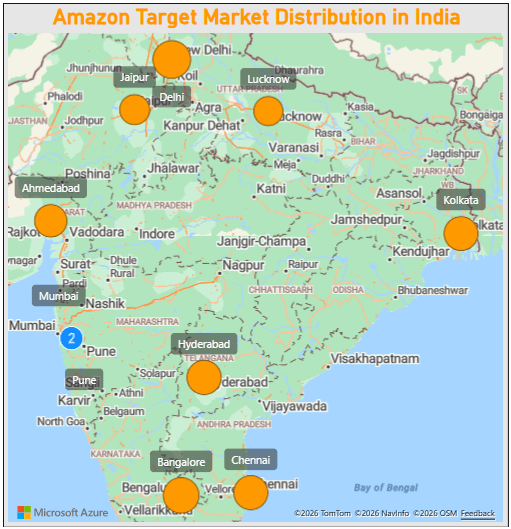
Figure 1: Amazon Target Area Analysis in India
Source: Created using Power BI (2026)
Alongside the major metropolitan areas, the analysis also shows a rise in the significance of the secondary cities like Hyderabad, Pune, and Ahmedabad. These regions show moderate to high anticipated order volumes, and this indicates rising consumer demand as a result of urbanization and growing income levels. These areas are strategically appealing since they are not as costly to operate and as competitive as the major cities. The visualization also shows that all the chosen cities are driving total demand, but the distribution of orders is not even, which supports the necessity of a data-driven and targeted expansion approach.
In business intelligence terms, the geographical analysis supports adopting the hub-and-spoke distribution model (Bhattacherjee & Adhikari, 2018). In this model, central logistics hubs are primary and secondary cities, and the surrounding areas are served by long delivery routes. This method boosts efficiency, shortens delivery times, and enables Amazon to gradually scale operations. All in all, the map-based projection shows that the expansion should focus on high-demand urban centers while also investing in emerging markets to ensure long-term expansion and market penetration.
Reference
 Amazon Business Intelligence Analysis
Leave a comment