
The quantitative analysis involved a histogram based on the projected Amazon India data, which consists of 100 simulated values of orders between 10 and 500. The data set was created according to the necessary Excel format and represents the realistic consumer buying habits in the Indian market. The histogram shows the distribution of order-values, where the y-axis is the frequency, and the x-axis shows the interval of grouped order-values. The outcomes show that the transactions are clearly concentrated in the lower and mid-range prices, especially between 50 and 250. This trend shows that a large share of consumers is undertaking comparatively low-value purchases, which is also in line with the macro-market attributes of price sensitivity and high volume of transactions.
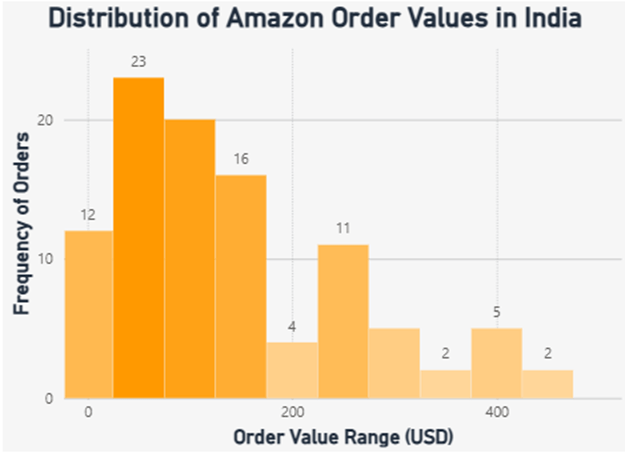
Figure 1: Distribution of Amazon Order Values in India
Source: Created using Power BI (2026)
Moreover, the distribution is skewed towards the right as fewer transactions are at higher prices above 300. This implies that although there are premium purchases, they are a small portion of the market. The fact fits into the trend of the growing digital trade in developing markets, where consumption choices are based on affordability and accessibility. In business intelligence terms, the histogram facilitates a volume-based approach to the growth of Amazon by focusing on the low-value, high-frequency transactions as opposed to high-margin sales. This understanding is essential in the pricing strategy, inventory selection, and product positioning, as it strengthens the need to provide goods at competitive prices, which can serve the largest number of consumers.


Leave a Reply